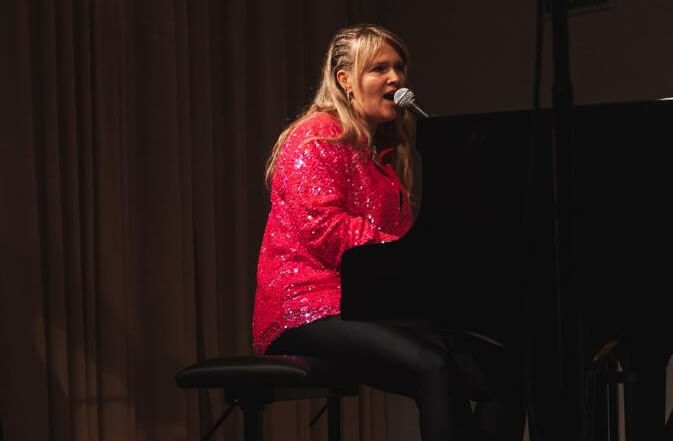
About the Boogie-Woogie and the Blues: A musical journey through two legendary genres
The roots of American music: Boogie-Woogie and Blues as cultural phenomena
Boogie-Woogie and Blues represent two of the most influential and authentic music genres to ever emerge from American culture. These two genres, rooted in the African American communities of the late 19th and early 20th centuries, tell not only the story of music but also the story of an entire people, their struggles, hopes, and their unwavering joy for life.
The Blues, often referred to as “the mother of all modern music,” originated from the spirituals of the slaves, the field hollers of the cotton plantations, and the work songs of the prisons. Boogie-Woogie, on the other hand, developed in parallel as a piano-heavy variant that brought the Blues into saloons, honky-tonks, and later into concert halls. Both genres share not only common roots but also a deep emotional expressiveness that continues to touch millions of people around the world today.
The history of the Blues: From the plantations to the world stage
The beginnings in the Mississippi Delta
The birth of the Blues struck in the Mississippi Delta, a region now regarded as the mecca of Blues music. Here, between the endless cotton fields and the muddy banks of the Mississippi, the first authentic Blues melodies emerged. The harsh living conditions of the African American workers found expression in melancholic yet hopeful songs that spoke of loss, longing, and the relentless struggle for survival.
Pioneers like Robert Johnson, Charley Patton and Son House laid the foundation for what would later become known as Delta Blues. These artists, who often performed at crossroads, in juke joints, and at local festivals, developed a raw, emotional style that captured the pure essence of human experience. The famous Blues festivals in the Mississippi Delta honor this tradition to this day and attract pilgrims from all over the world.
Chicago Blues: The electrification of a tradition
With the great migration of the 1940s and 1950s, the center of the Blues scene shifted to Chicago. Artists like Muddy Waters, Howlin’ Wolf and Little Walter brought their Delta Blues tradition to the big city and adapted it to the urban environment. The invention of the electric guitar revolutionized the sound, making the Blues louder, more powerful, and more urban.
The Chicago Blues developed into a collective experience, where not only the soloists but also the backing bands played a central role. This development laid the foundation for almost all modern popular music genres, from Rock’n’Roll to Soul to Hip-Hop. The legendary Chicago Blues Festival is now one of the most important events in the international Blues scene.
Boogie-Woogie: The danceable cousin of the Blues
The pianistic revolution
While the Blues is mainly associated with singing and guitar, Boogie-Woogie captured people’s hearts through the piano. Originating in the 1870s in the lumber camps of Texas and Louisiana, Boogie-Woogie developed into one of the most energetic and captivating music styles in the world. The characteristic “walking bass” of the left hand, combined with the syncopated rhythms of the right, created a sound that inevitably made people dance.
Pine Top Smith, the composer of the famous “Pine Top’s Boogie Woogie,” is considered one of the fathers of this genre. His instructions to the dancers during the song – “Now I want all you folks to get ready to do the boogie woogie” – gave the style its name and established a tradition of interaction between musician and audience that remains characteristic of Boogie-Woogie performances to this day.
The golden era of the 1930s and 1940s
The heyday of Boogie-Woogie was in the 1930s and 1940s, when artists like Albert Ammons, Pete Johnson and Meade Lux Lewis took the genre to new heights. The famous “From Spirituals to Swing” concert at Carnegie Hall in 1938 introduced Boogie-Woogie to a mainstream white audience for the first time, establishing it as a legitimate art form.
This era was marked by technical virtuosity and creative innovation. Pianists developed increasingly complex patterns and variations, making the genre a showcase of pianistic athleticism. At the same time, Boogie-Woogie retained its roots in the blues tradition, giving it an emotional depth that went beyond mere technique.
The musical characteristics: What makes Blues and Boogie-Woogie unique?
The blues scale and the 12-bar structure
The blues is based on a pentatonic scale with characteristic “blue notes” – slightly off-pitch tones that give the genre its distinctive melancholy. The classic 12-bar structure (often called AAB form) forms the structural foundation of most blues songs and provides a framework for both improvisation and compositional creativity.
This seemingly simple structure is deceptively versatile and has proven to be the basis for countless variations and interpretations. From minimalist Delta blues pieces to complex jazz-blues arrangements, musicians have continually found new ways to innovate within this framework.
Boogie-Woogie: Rhythm as a driving force
Boogie-Woogie is characterized by its distinctive rhythm, primarily played in 8/8 time with a strong emphasis on the second and fourth beats. The left hand takes on a continuous bass line, often referred to as a “walking bass,” while the right hand plays syncopated melodies and chords.
This rhythmic drive was revolutionary for its time and significantly influenced the development of rock ‘n’ roll. The energy and swing of Boogie-Woogie made it the perfect dance music and explain its enduring popularity among swing dancers and music lovers worldwide.
Legendary artists and their contributions to music history
Blues legends who changed the world
B.B. King, the “King of the Blues,” revolutionized guitar playing with his expressive vibrato and emotional intensity. His Gibson guitar “Lucille” became almost as famous as he was, and his performances were legendary demonstrations of musical passion. King’s influence extends far beyond the blues, inspiring generations of rock, pop, and soul musicians.
Bessie Smith, the “Empress of the Blues,” brought a majestic dignity and vocal power to the genre that remains unmatched to this day. Her interpretations of classic blues standards like “St. Louis Blues” set the standard for all subsequent blues singers. Smith’s career in the 1920s made her one of the first African American superstars and paved the way for future generations.
Boogie-Woogie masters at the piano
Fats Domino brought Boogie-Woogie into the rock ‘n’ roll era, creating timeless classics with hits like “Blueberry Hill” and “Ain’t That a Shame.” His New Orleans style of Boogie-Woogie influenced the development of both rock ‘n’ roll and soul music, making him one of the most important crossover artists of his time.
Professor Longhair, another New Orleans pianist, developed his own style that combined Boogie-Woogie with Caribbean rhythms and local traditions. His innovative approach to the piano inspired artists like Dr. John and Allen Toussaint and contributed to the creation of the distinctive New Orleans sound.
Modern interpretations and contemporary artists
The revival movement
In recent decades, both Blues and Boogie-Woogie have experienced a remarkable renaissance. Artists like Stevie Ray Vaughan, Joe Bonamassa and Gary Clark Jr. have revitalised the Blues for new generations, while pianists like Silvan Zingg and Axel Zwingenberger have carried the Boogie-Woogie tradition into modern times.
These contemporary performers respect the traditional roots of their genres while simultaneously integrating modern influences and technical innovations. They demonstrate that Blues and Boogie-Woogie are not museum art forms, but vibrant, ever-evolving musical styles.
Fusion and cross-over projects
The boundaries between Blues, Boogie-Woogie, and other genres are increasingly blurring. Artists are experimenting with jazz fusion, rock blues, and even electronic elements. These developments show the ongoing relevance and adaptability of these classic American music forms.
Festivals and events: Where Blues and Boogie-Woogie are celebrated today
International festival scene
Worldwide, hundreds of Blues and Boogie-Woogie festivals take place annually, keeping these musical traditions alive. The Montreux Jazz Festival in Switzerland, the North Sea Jazz Festival in the Netherlands, and the Byron Bay Bluesfest in Australia are just a few of the prestigious events that regularly showcase the best artists in the scene.
In Germany, festivals like the Bluesfest Gaildorf and the International Boogie Woogie Festival have established themselves as important meeting points for the European Blues and Boogie scene. These events offer not only top-class entertainment but also workshops, masterclasses, and jam sessions for musicians of all experience levels.
The importance of festivals for music culture
Festivals play a crucial role in preserving and advancing Blues and Boogie-Woogie. They provide platforms for established artists to discover new talents and create communities of music lovers who appreciate and carry on these traditions. The atmosphere at such events is often electrifying, as the music unleashes its original power – bringing people together and creating shared experiences.
Influence on modern music: The legacy of Blues and Boogie-Woogie
Rock’n’Roll and beyond
Without Blues and Boogie-Woogie, there would be no Rock’n’Roll as we know it. Elvis Presley, Chuck Berry and Little Richard built their revolutionary sounds on the foundations of these African American music traditions. The Rolling Stones, Led Zeppelin, and countless other rock bands have openly acknowledged their roots in Blues music.
The influence extends far beyond rock. Hip-hop producers regularly sample classic Blues recordings, soul singers use Blues phrasing, and even in electronic music, elements can be found that trace directly back to Blues and Boogie-Woogie.
Cultural significance and social impact
Blues and Boogie-Woogie were more than just entertainment music – they were expressions of the African American experience and important tools in the fight for equality and recognition. The music broke racial barriers at a time when American society was still heavily segregated, creating shared cultural experiences across ethnic and social boundaries.
Learning and playing: Getting started with Blues and Boogie-Woogie
Foundations for aspiring musicians
For musicians interested in Blues or Boogie-Woogie, it is important to understand the fundamental structures and techniques. In Blues, everything begins with the pentatonic scale and the 12-bar format, while Boogie-Woogie pianists must first master the characteristic left-hand bass patterns.
Many music schools and Online platforms today offer specialised courses in these genres. However, the key to success lies not only in technical mastery but in understanding the emotional and cultural contexts from which this music originated.
The importance of improvisation
Both Blues and Boogie-Woogie thrive on improvisation. This skill is best developed through playing with other musicians and intensely listening to the masters of the genre. Jam sessions in local blues clubs often provide the best opportunity to develop these improvisational skills and experience the traditions first-hand.
Future and sustainability of the genres
Challenges in the digital era
In an age where streaming services dominate the music landscape, traditional genres like Blues and Boogie-Woogie face particular challenges. The audience’s attention span is shorter, and the competition from new music styles is more intense than ever. Nevertheless, the ongoing popularity of Blues festivals and the successes of artists like Joe Bonamassa and Beth Hart, show that there is still a hungry audience for authentic, emotional music.
Education and preservation
Music educators and cultural institutions worldwide recognise the importance of preserving these musical traditions and passing them on to new generations. University programmes, Summer camps and mentorship programmes play a crucial role in nurturing young talent and preserving the knowledge of the history and techniques of these genres.
The timeless relevance of Blues and Boogie-Woogie
Blues and Boogie-Woogie are far more than just historical music forms – they are living, breathing traditions that continue to inspire new artists and move audiences around the world. Their messages of human experience, resilience, and joy are as relevant today as they were over a century ago.
The future of these genres lies in balancing respect for traditions with openness to innovation. While we honour the pioneers who created these wonderful music forms, we must also make room for new voices and fresh interpretations that will carry Blues and Boogie-Woogie into the 21st century and beyond.
Whether you are a long-time fan or just beginning your journey into this fascinating musical landscape: Blues and Boogie-Woogie offer endless opportunities for discovery, emotional connection, and pure musical joy. Immerse yourself in these worlds full of passion, virtuosity, and timeless human truths.